
In today’s competitive academic landscape, schools are increasingly turning to co-curricular activities to nurture essential life skills in students. One such powerful platform is the debate competition, known for enhancing communication, critical thinking, and leadership abilities.
Particularly in holistic educational environments, such as boarding schools in Shimla, debate competition have become a cornerstone in developing well-rounded future leaders.
These schools recognize that fostering dialogue from an early age builds not just better students, but responsible global citizens.
The Value of Debate Competition in Education

Enhancing Communication and Confidence
Debate competition offer a platform for students to speak with clarity and conviction. Through research and preparation, they build confidence and refine their public speaking skills.
The ability to present ideas logically and convincingly is an asset not only in academia but also in professional and everyday life.
Many students who initially hesitate to speak publicly often find their voice through regular participation in debates.
Understanding Diverse Perspectives
By listening and responding to opposing viewpoints, students develop empathy and open-mindedness—key traits of effective leadership.
This engagement helps them learn to approach issues from multiple angles, building tolerance and a sense of global citizenship.
Debate encourages young minds to go beyond personal biases and examine the world from a broader lens.
Real-World Thinking
Debating encourages awareness of current events and cultivates analytical thinking.
Students explore social issues, political developments, and ethical dilemmas, learning to back their opinions with evidence.
The ability to form reasoned arguments and defend them calmly under pressure is a valuable life skill that builds resilience and maturity.
Debate competition also reinforces the importance of thorough research and staying informed about global developments.
Debate and Leadership: A Natural Connection

Strategic Thinking and Teamwork
Debate requires planning and collaboration. Students must work together to build cases and anticipate counterpoints, mirroring leadership scenarios in real life.
They learn to trust teammates, manage time effectively, and strategize for success.
The ability to remain calm and adapt during intense discussions mirrors real-world leadership situations where decisions must be made under pressure.
Ethical Awareness
Arguing complex issues teaches responsibility. Students learn the importance of values, fairness, and the societal impact of decisions.
Debate also encourages a fact-based, ethical approach to discussions—something future leaders must prioritize.
By defending both sides of an argument in some formats, students begin to appreciate the complexity and nuance of real-world problems.
Fostering Healthy Dialogue

Respecting Differences
Debate instills the principle that disagreement can be respectful. It encourages students to challenge ideas, not individuals.
In a world where opinions often clash harshly, debate nurtures civility and constructive engagement.
This is a key skill in leadership—resolving conflict through conversation rather than confrontation.
The Role of Listening
Great debaters know the value of listening. This skill is vital in leadership, where understanding different perspectives is crucial.
Active listening improves interpersonal relationships, promotes inclusivity, and fosters better decision-making.
Listening helps leaders understand concerns and make more informed, balanced decisions.
The Role of Schools in Promoting Debate

Creating Opportunities
Schools that host regular debates send a strong message: dialogue matters. These forums allow students to engage meaningfully with ideas and peers.
From intra-school events to national-level tournaments, debate enriches the educational experience.
Educators who encourage open discussions in classrooms help create a culture where questioning and critical thinking are celebrated.
Examples of Best Practices
Many institutions, including boarding schools in Shimla, emphasize holistic development. Regular debate competitions are a cornerstone of their co-curricular approach.
These schools recognize that nurturing thoughtful leaders begins with encouraging expression, curiosity, and respectful discourse.
By integrating debate into the academic calendar, they ensure students consistently engage with the world around them.
Long-Term Benefits of Debate Participation
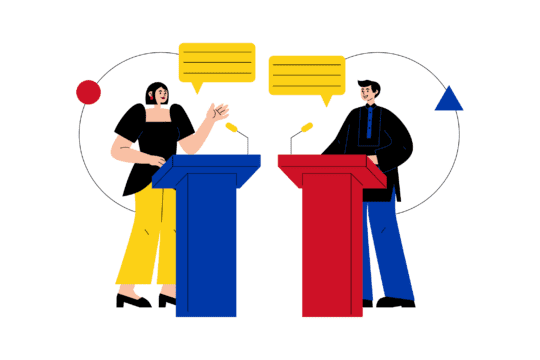
Academic and Professional Growth
Debaters often perform better in academics and are more likely to pursue careers in law, politics, journalism, or education.
Debate strengthens research and writing skills and improves the ability to articulate complex ideas clearly.
Employers value these skills, recognizing that articulate individuals often become strong team leaders and persuasive professionals.
Preparing Future Leaders
Debate competition nurtures critical thinkers who make informed decisions. These skills are crucial for leadership in any field.
Former student debaters often credit their experience with developing poise, diplomacy, and decision-making abilities that continue to serve them in adult life.
As future leaders, they are more likely to value dialogue, transparency, and collaboration over unilateral decision-making.
Conclusion: Shaping Tomorrow’s Leaders

Debate competition are more than school events. They shape thoughtful, articulate, and ethical individuals prepared to lead.
In a complex world, these qualities are not optional—they’re essential.
Through debate, schools are not just educating students; they are preparing tomorrow’s leaders to think, listen, and act with purpose. Investing in debate is investing in the future of responsible, reasoned, and resilient leadership.
With structured guidance and encouragement, schools can turn every debate competition into a powerful lesson in leadership, empathy, and vision.
Comments are closed.